Temperature Controller
Manual Thermal Oxidation Limitations
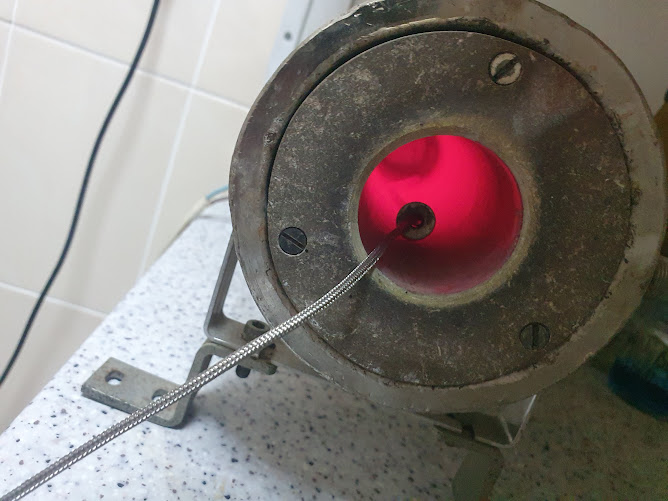
Semiconductor nanostructure synthesis required strict thermal profiles. The original 800W thermal reactor operated with manual LATR autotransformer control and no closed-loop feedback, leading to human error and inconsistent soak times.
Perfboard Prototyping & In-House Etching
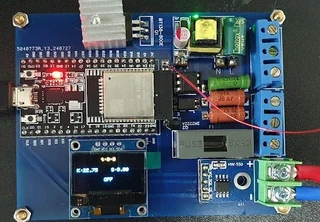
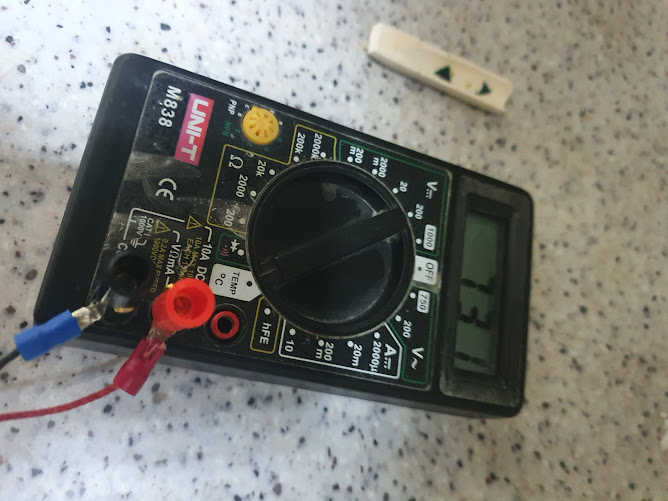
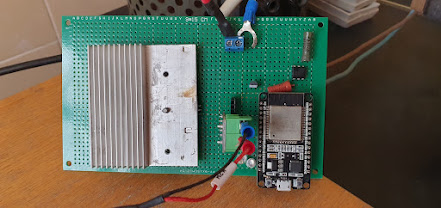
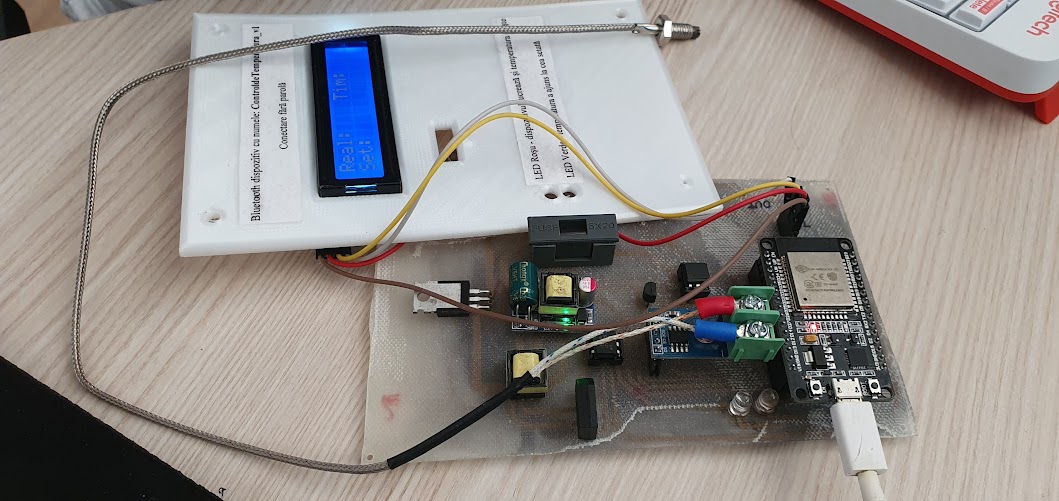
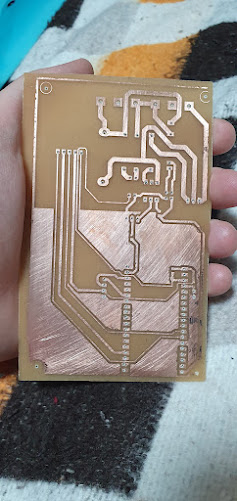
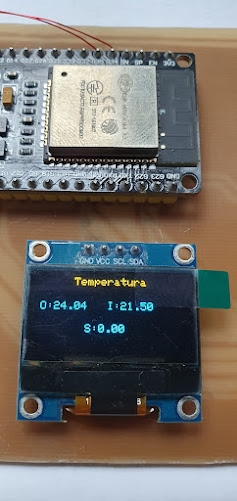
Engineered Prototypes 1 & 1B on perfboard to validate zero-crossing triac drivers and thermocouple conditioning. Designed and etched Prototype No. 2 double-sided PCB in-house via thermal toner transfer to reduce analog noise.
Galvanic Isolation & JLCPCB Fabrication
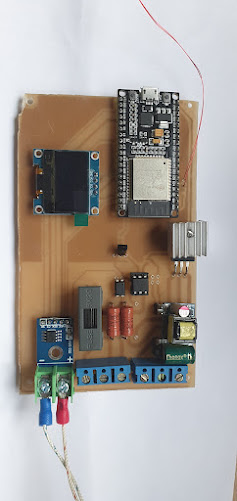
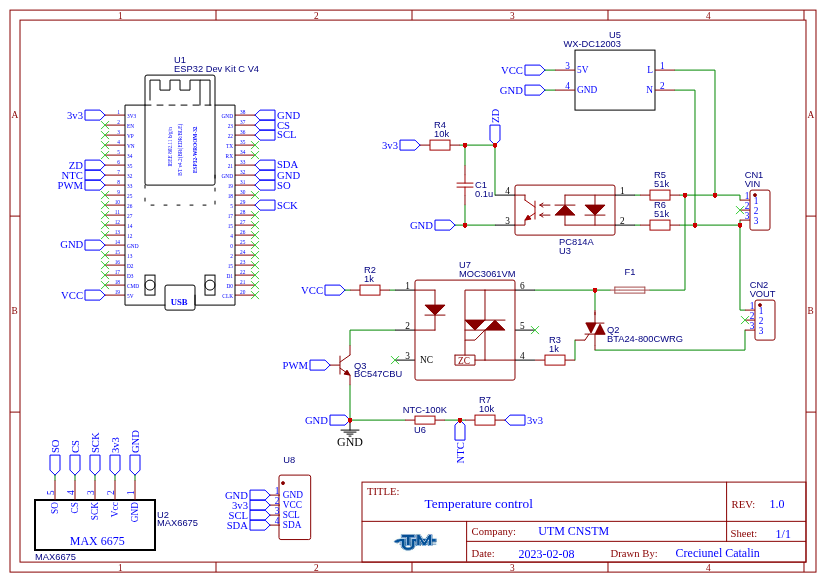
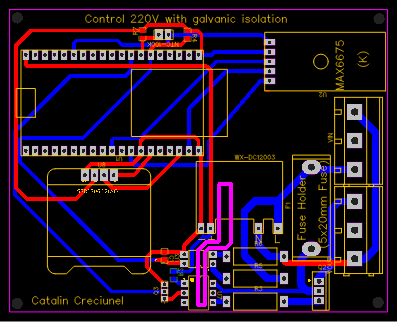
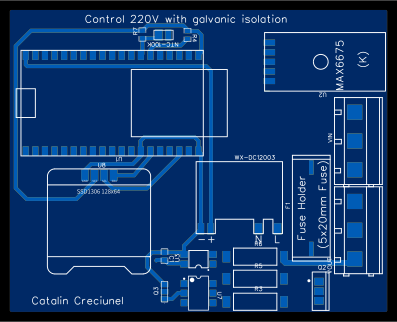
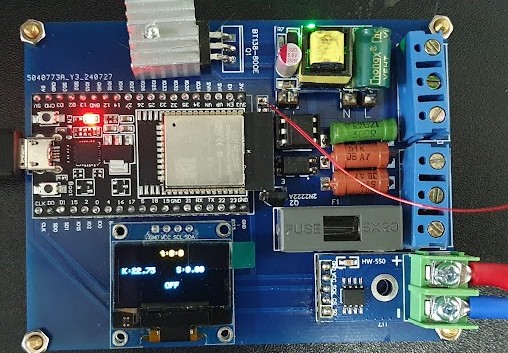
Designed an industrial-grade PCB manufactured by JLCPCB. Features full galvanic optocoupler isolation decoupling high-voltage 800W AC mains power from the low-voltage DC microcontroller section.
FreeRTOS Dual-Core & Async Web Dashboard
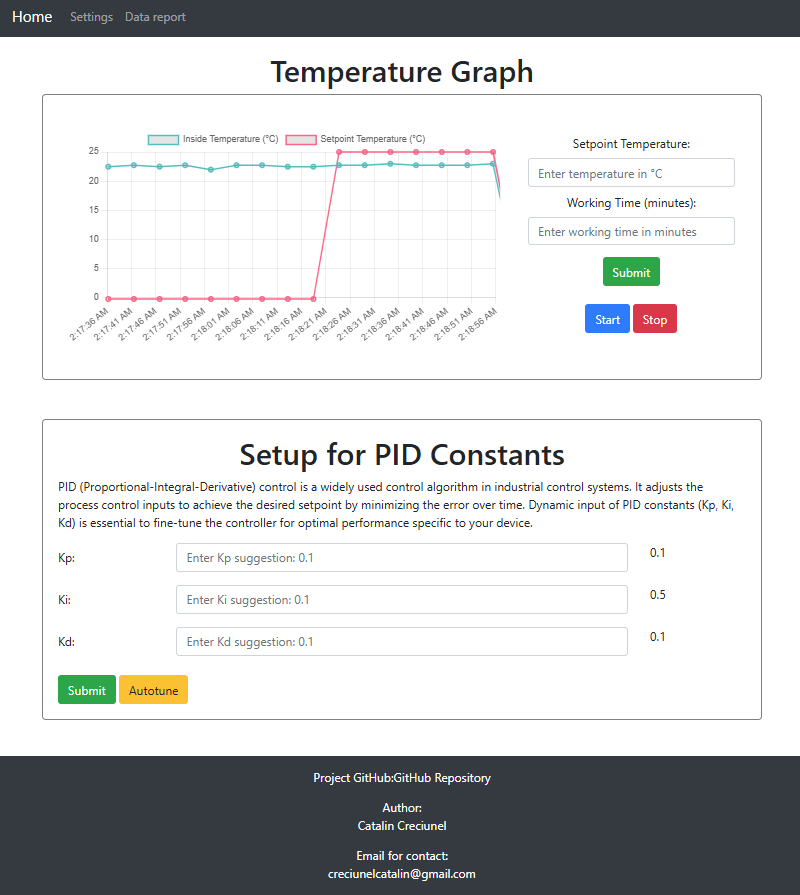
Leveraged ESP32 dual cores: Core 0 executes deterministic 100ms PID control tasks and PWM firing; Core 1 hosts ESPAsyncWebServer streaming live temperature WebSockets, online tuning, and CSV data downloads.


Zinc Oxide (ZnO) Thermal Oxidation
Achieved precise $2Zn + O_2 \xrightarrow{\Delta T > 400^\circ C} 2ZnO$ thermal oxidation profiles. Tight PID regulation prevents structural defects and ensures reproducible wide-bandgap nanostructures.
Interactive Atomic Oxidation Simulation
Related Publications
- Thermal Treatment Control Systems: Remote-controlled temperature setup optimized for Zinc foil oxidation.
- Physics of Materials: Optimized embedded solution designed to automate thermal treatment.
- Porous Gallium Oxide Nanostructures: Thermal oxidation methodology applied to wide-bandgap semiconductors ($GaP$ to $Ga_2O_3$).
