BrAIn Final Event 2026 in Stuttgart – AI for SMEs, Policy Insights & Startup Innovation

 BrAIn Final Event – Stuttgart, Germany
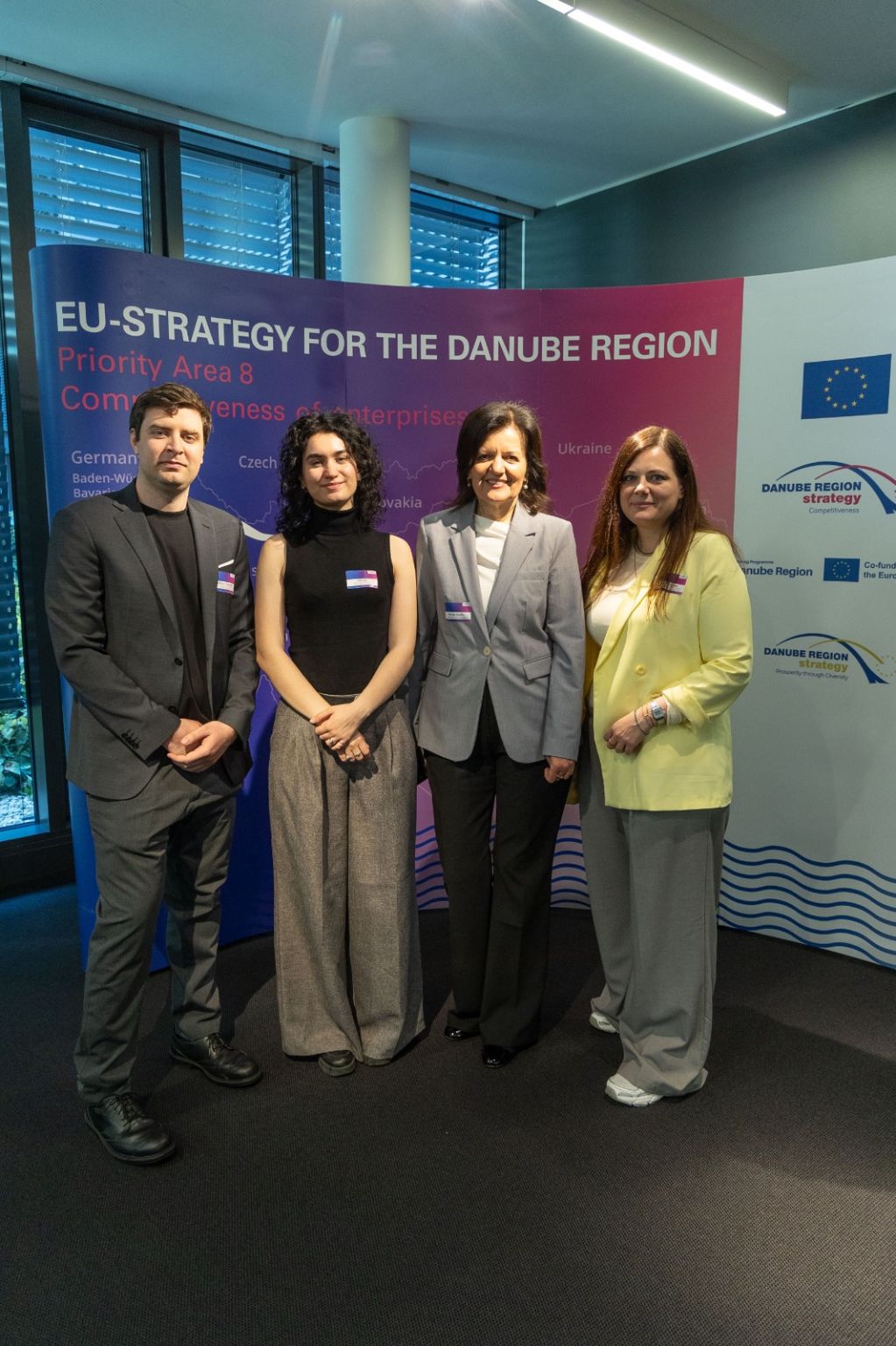
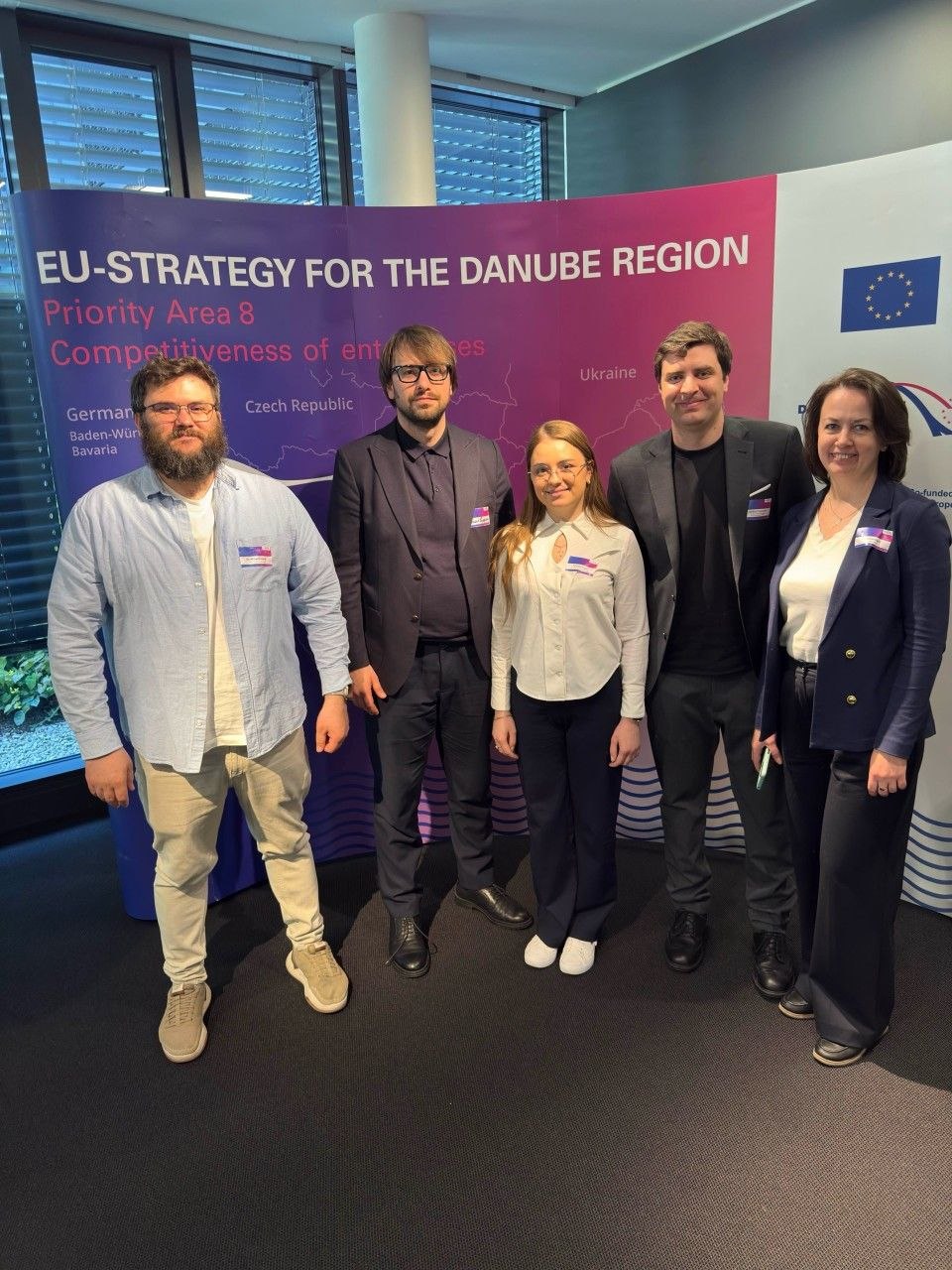
On April 23, 2026, I participated in the BrAIn Project Final Event, held in Stuttgart, Germany, at the Design Offices Stuttgart Mitte. The event brought together policy-makers, researchers, SMEs, and innovation actors from across Europe to explore the responsible deployment of Artificial Intelligence (AI) and strengthen cross-border collaboration.
The program combined policy dialogue, applied research insights, and startup innovation, structured into two complementary sessions.
Morning Session
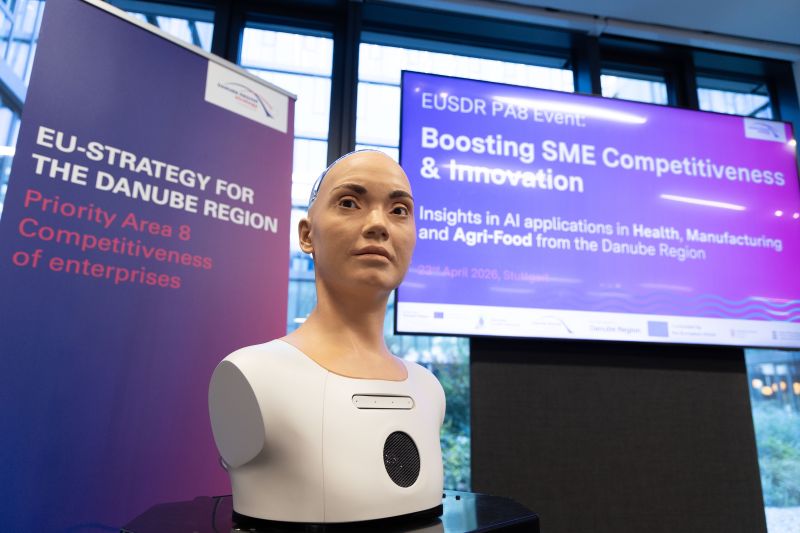
Boosting SME Competitiveness & Innovation through AI
The morning session was organized within the framework of the EU Strategy for the Danube Region (EUSDR) under Priority Area 8, focusing on how AI can enhance SME competitiveness and innovation capacity.
The session opened with contributions from key stakeholders including:
- Prof. h.c. Dr. Jonathan Loeffler (Steinbeis Europa Zentrum)
- Johannes Jung (Ministry of Economic Affairs, Baden-Württemberg)
- Dr. Balázs Barta (Pannon Business Network, BrAIn Project Coordinator)
Further insights were provided by leading AI ecosystem actors such as:
- Dr. Florian Mayer (Cyber Valley GmbH)
- Jacqueline Roth-Ruoff (IPAI – Innovationspark AI)
- Sandra Schorrer (KI Allianz)
- Dr. Kathrin Steinbrink (AI xpress)
AI Applications Across Key Sectors
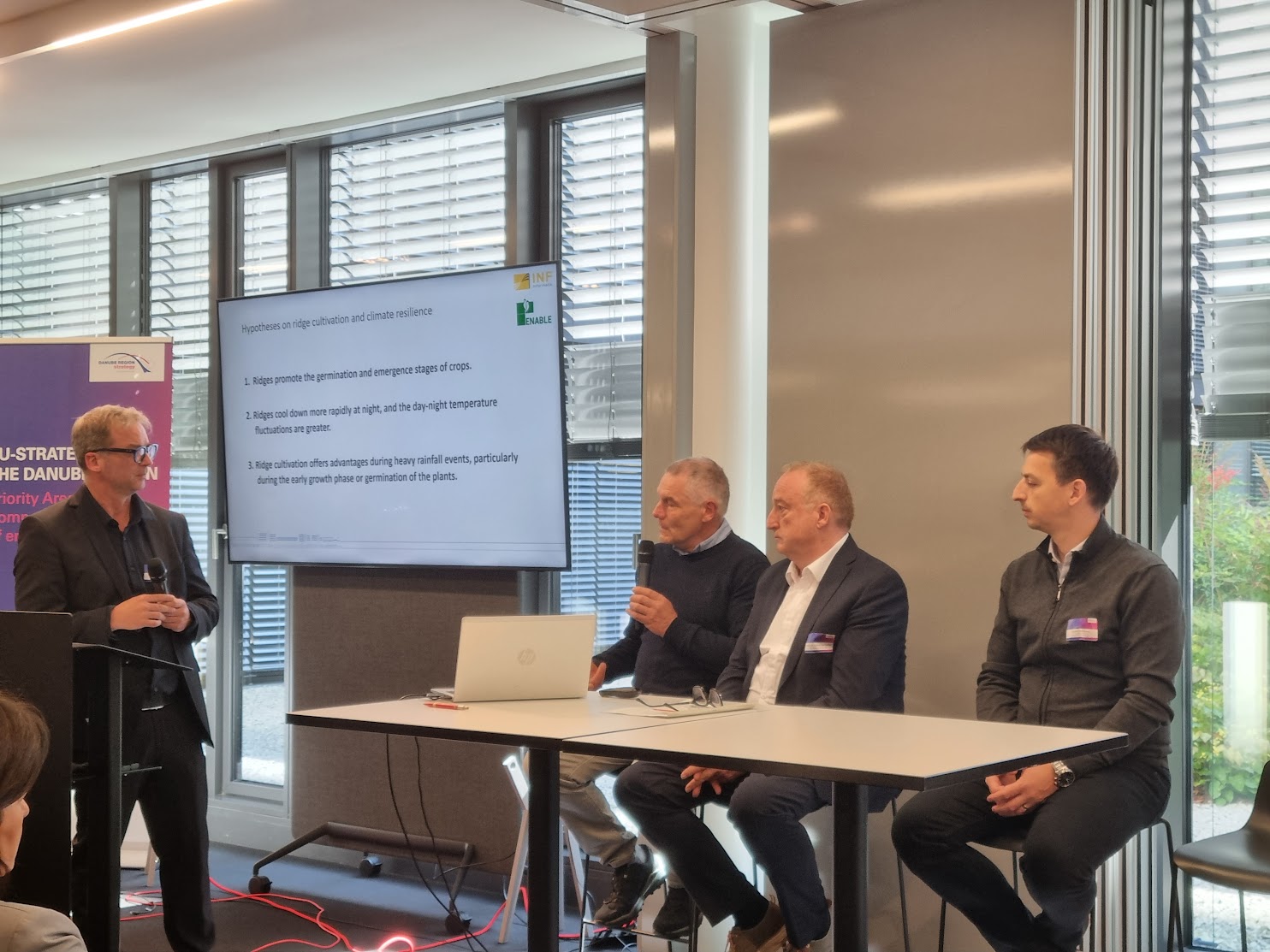
The discussions focused on three strategic sectors:
- Healthcare
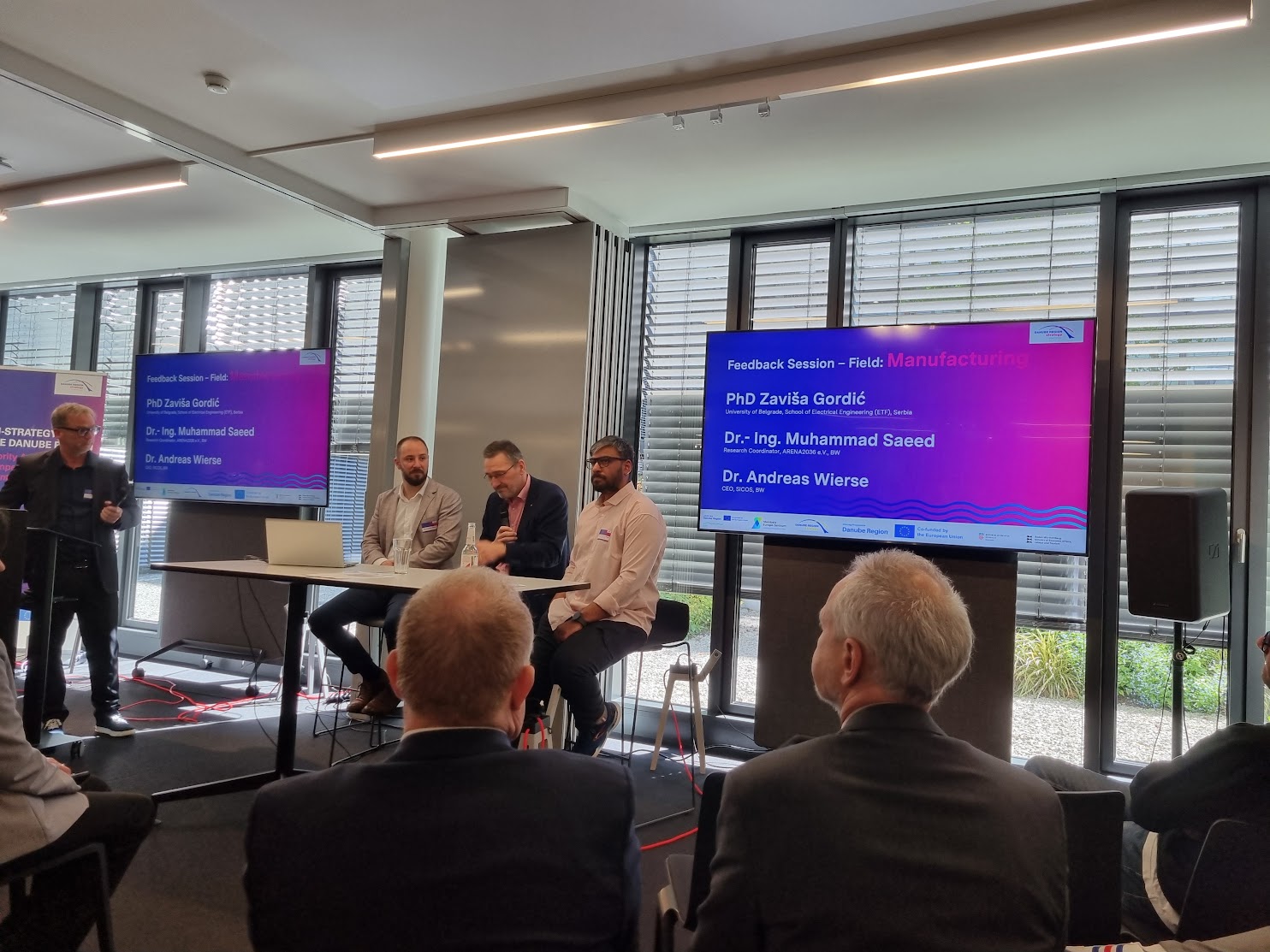
- Manufacturing
- Agri-food
Case studies and applied research contributions included experts such as:
- Prof. Dieter Hertweck (Reutlingen University)
- Prof. Roland Gerhards (University of Hohenheim)
- Muhammad Saeed (ARENA2036)
- Dr. Andreas Wierse (SICOS BW)
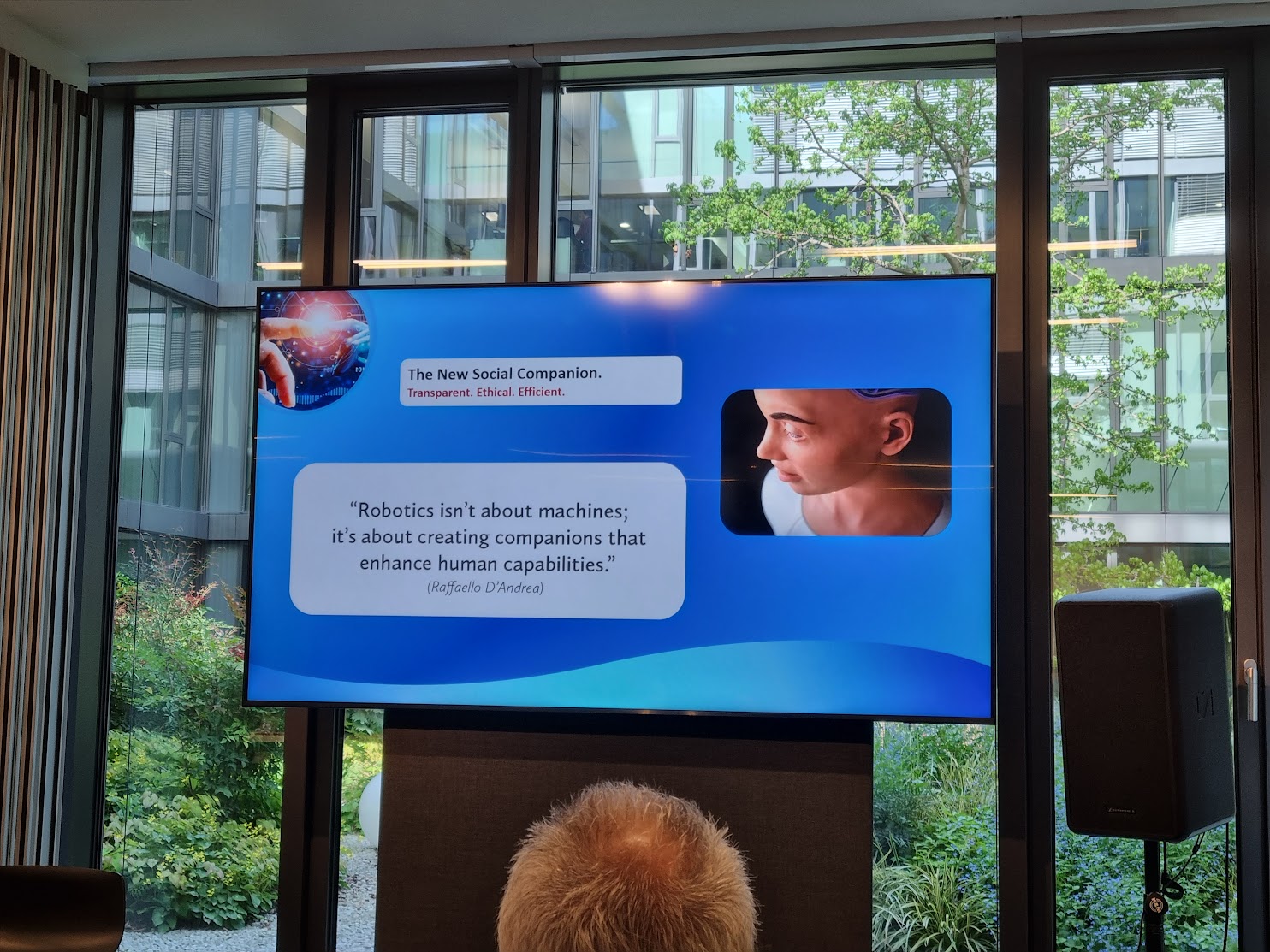
Interactive sessions enabled real-time feedback and knowledge exchange, bridging the gap between policy frameworks and industrial deployment.
Key Takeaways
- Strong alignment between European policy and AI implementation strategies
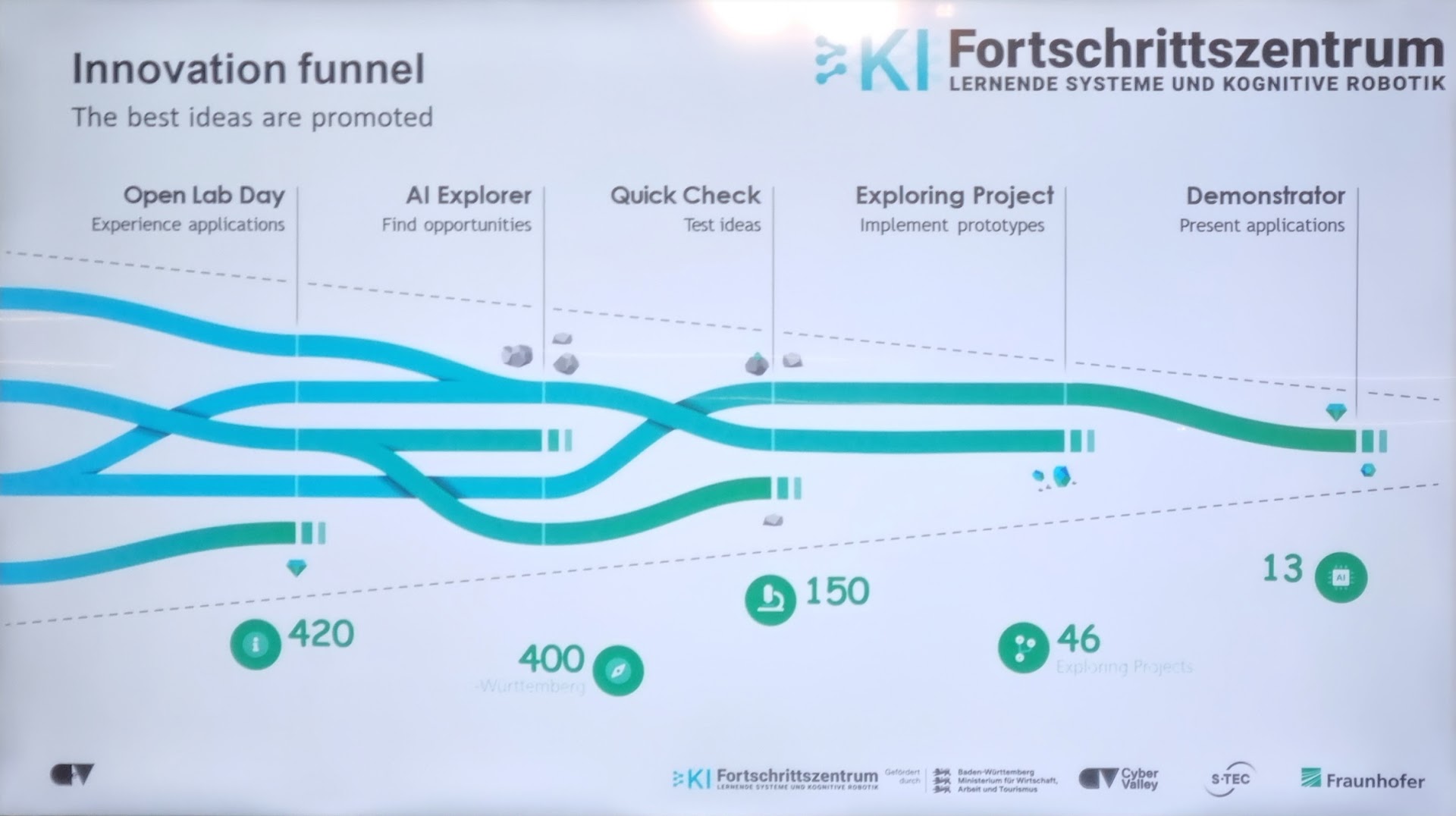
- Increasing importance of regional AI ecosystems (e.g., Baden-Württemberg)
- AI as a driver for sector-specific digital transformation in SMEs
Afternoon Session
Startup Competition & SME Pitching in AI
The afternoon session focused on entrepreneurship and market-oriented innovation, featuring a transnational startup competition and SME pitching session.
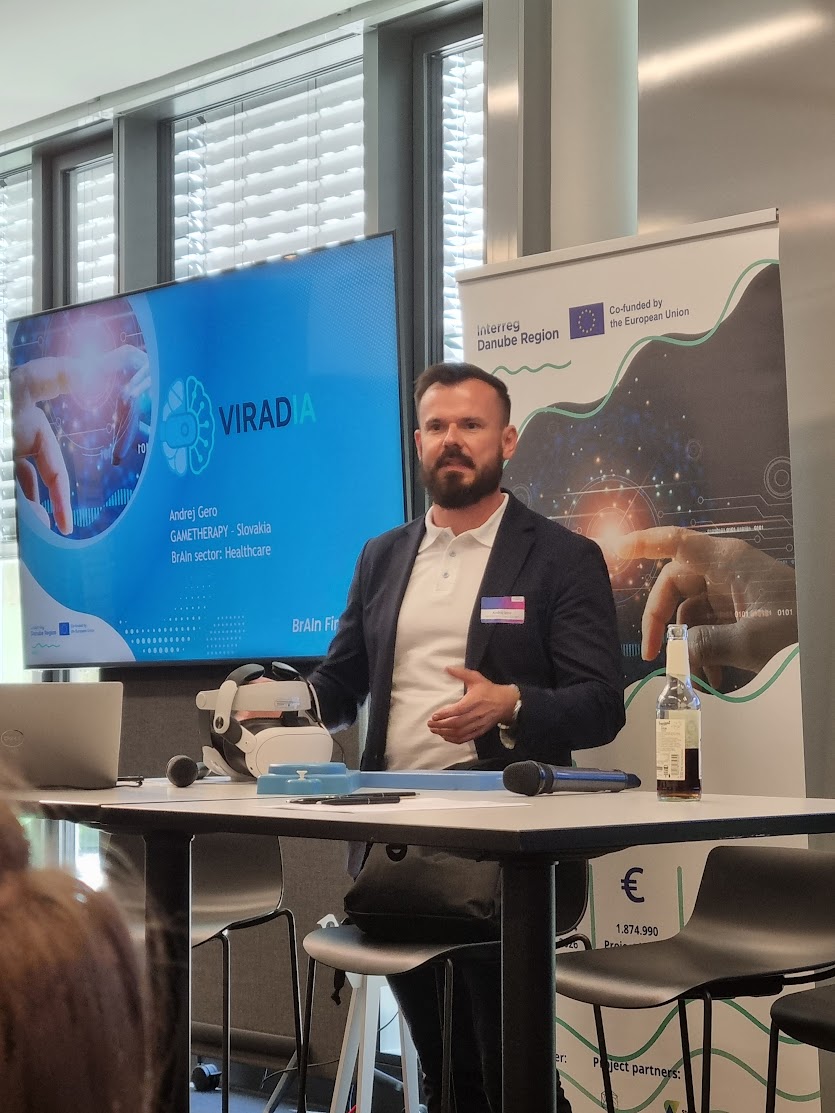
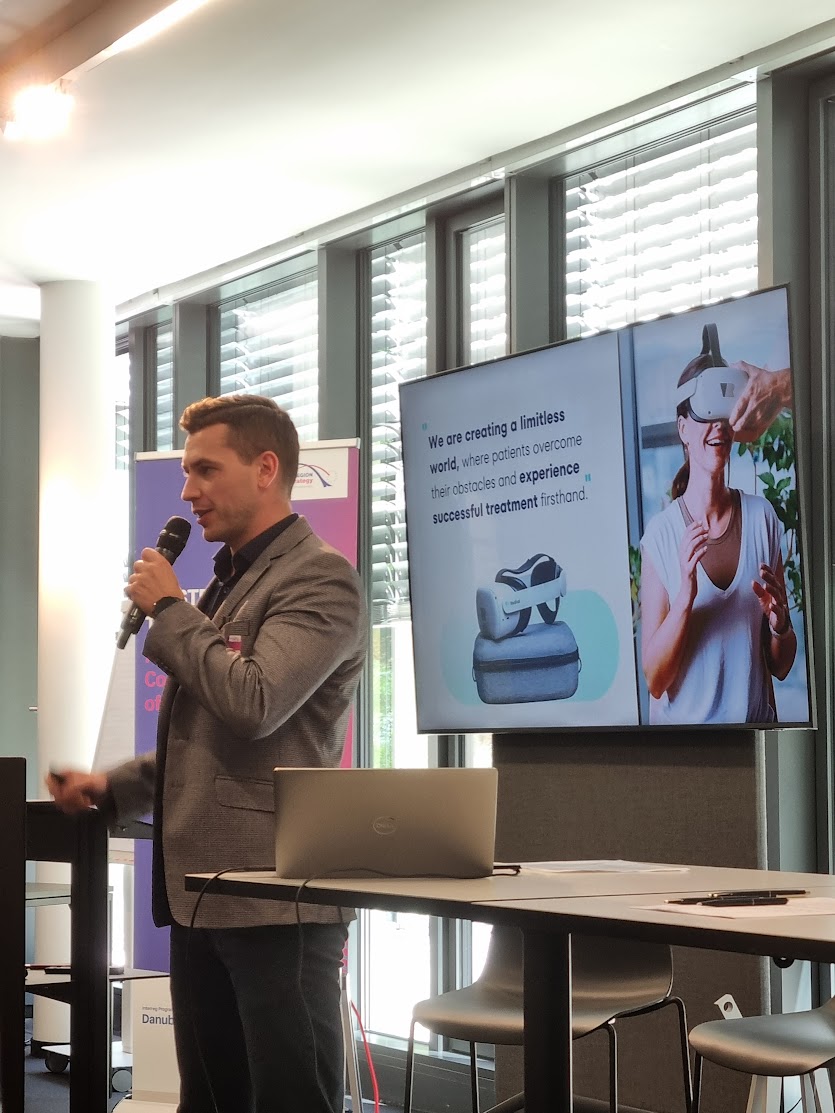
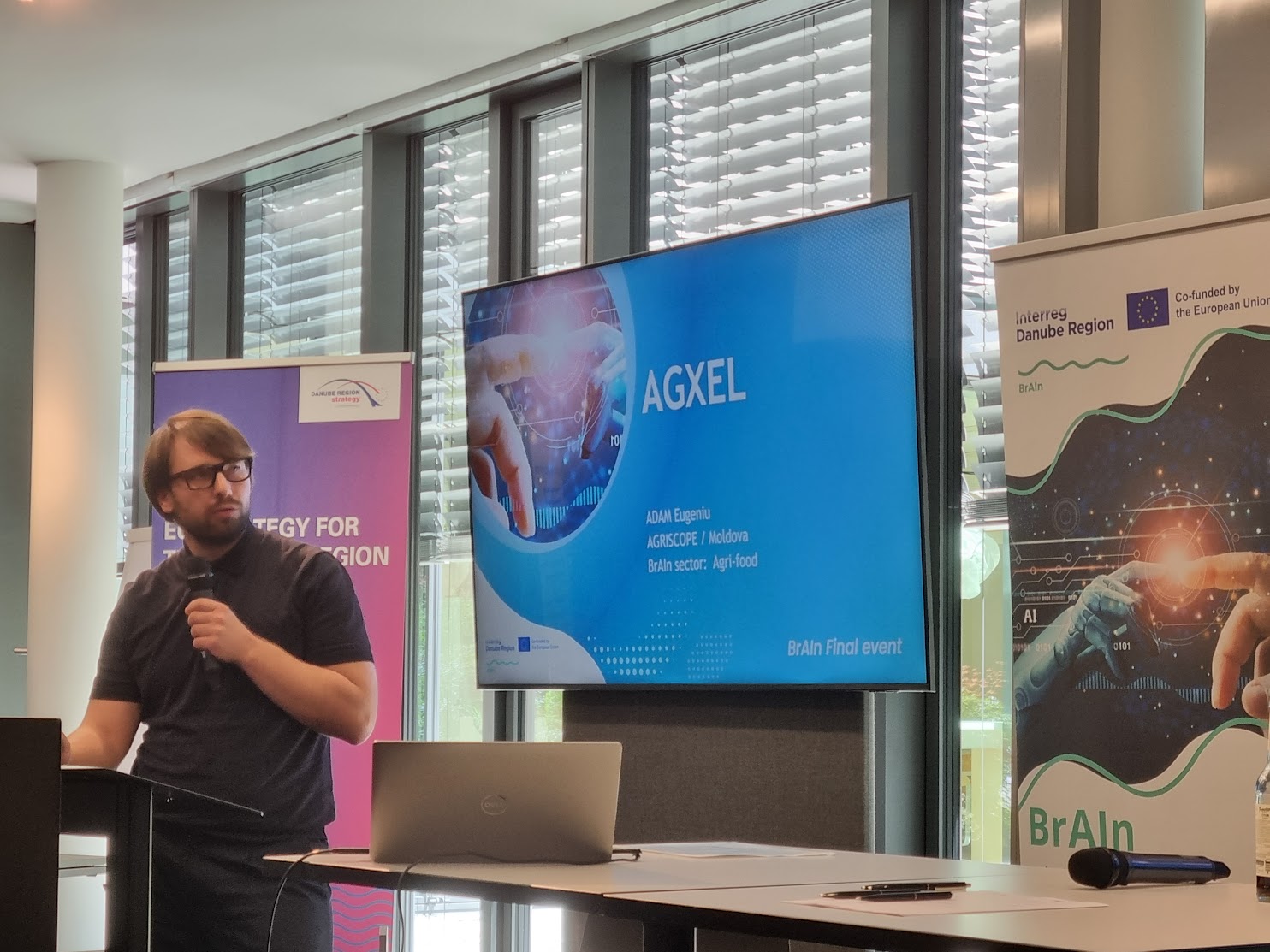
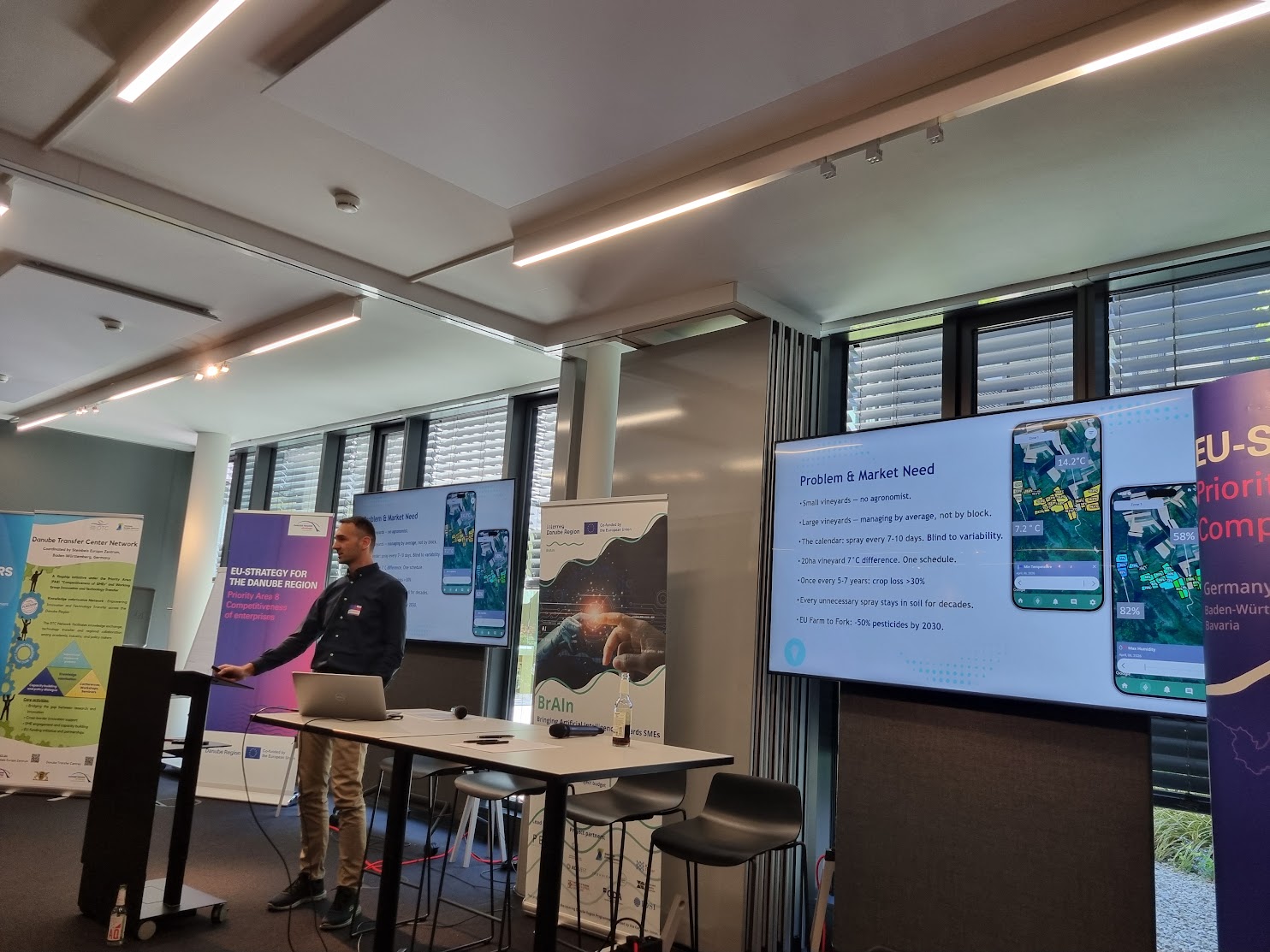
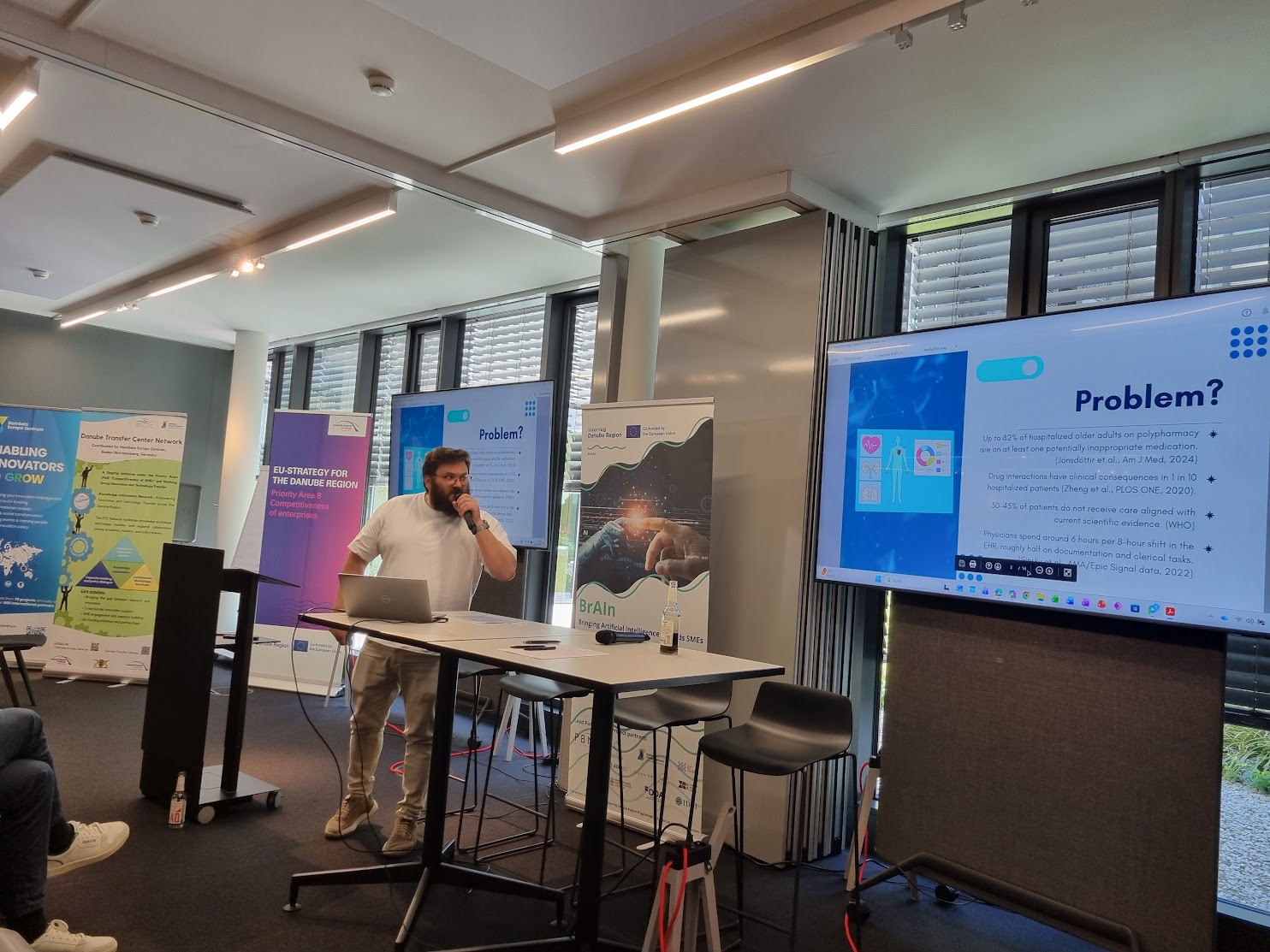
Moderated by Dr. Balázs Barta, the session included 11 startup pitches, each presenting AI-driven solutions in domains such as:
- Healthcare (e.g., AI for IVF and clinical decision support)
- Agri-food technologies
- Manufacturing optimization
- VR-based medical applications
Notable examples included:
- AI-based embryo quality assessment systems
- Clinical AI agents for evidence-based decision-making
- Immersive VR healthcare solutions
The session concluded with:
- Jury evaluation by experts from Steinbeis Europa Zentrum
- Award ceremony
- Networking and collaboration opportunities
Highlights
- High maturity level of AI startup solutions
- Strong focus on real-world deployment and scalability
- Cross-border innovation within the Danube Region ecosystem
Closing Session & Strategic Outlook
The event concluded with a formal closing session, including:
- Signature of a Memorandum of Understanding (MoU)
- Contributions from Steinbeis Europa Zentrum and EUSDR stakeholders
- Strategic outlook on AI adoption in Europe
The BrAIn Final Event highlighted the importance of integrating policy, research, and entrepreneurship to accelerate AI uptake across sectors and regions.
Final Thoughts
📌 This event provided a comprehensive perspective on how Artificial Intelligence is transitioning from research and policy frameworks into real-world applications and scalable business solutions.
📌 It reinforced the critical role of interdisciplinary collaboration in shaping a competitive and innovation-driven European AI ecosystem.
